

Relief Printing History: From Woodcut to Linocut, and the Supplies to Start Today
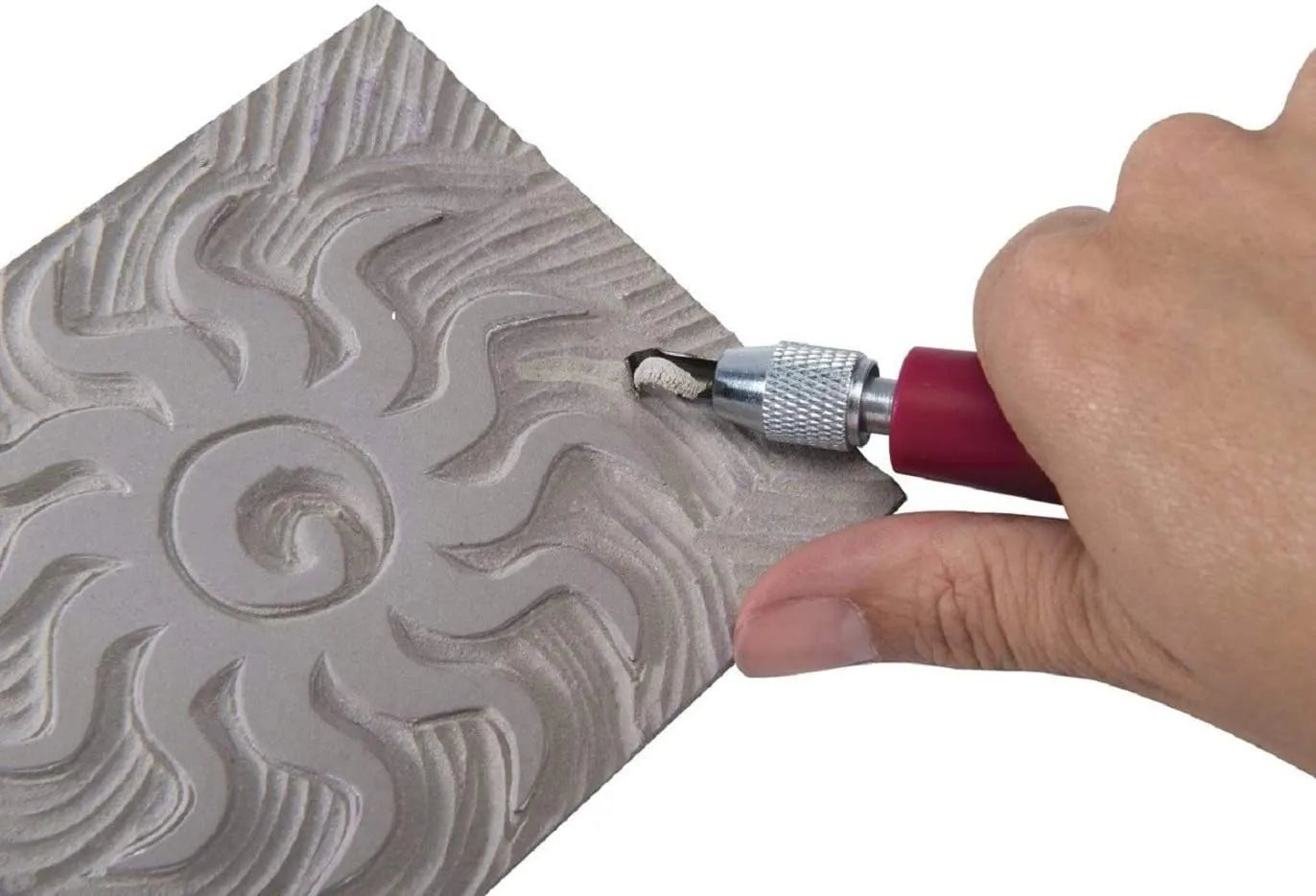
What’s Distinctive in This Collection (and Why It Fits a History Lens)

Three Real-Life Ways to Use It (with a Nod to Where Relief Printing Came From)
Pair It With These Collections, Then Start Printing

Jack Richeson - Mounted Easy Cut Lino - Multiple Sizes
Regular price
From $6.76 CAD
Sale price
From $6.76 CAD
Regular price
Choose your option


Impressions Block Printing Ink - Black
Regular price
From $8.30 CAD
Sale price
From $8.30 CAD
Regular price
Choose your option


Impressions Block Printing Ink - Titanium White
Regular price
From $10.85 CAD
Sale price
From $10.85 CAD
Regular price
Choose your option


Impressions Block Printing Ink - Phthalo Blue
Regular price
From $8.30 CAD
Sale price
From $8.30 CAD
Regular price
Choose your option


Speedball - #1 Lino Cutter Assortment
Regular price
$26.20 CAD
Sale price
$26.20 CAD
Regular price
Choose your option


Impressions Block Printing Ink - Naphthol Red
Regular price
From $10.85 CAD
Sale price
From $10.85 CAD
Regular price
Choose your option


Speedball - 4" Pop In Plastic Brayer
Regular price
$22.70 CAD
Sale price
$22.70 CAD
Regular price
Choose your option

Jack Richeson - Metal Block Stop
Regular price
$22.95 CAD
Sale price
$22.95 CAD
Regular price


